What Is Herbal Chai, Exactly?
Herbal chai is not regular chai with the caffeine removed. It is a completely different drink built on a completely different foundation. Traditional Indian masala chai uses Camellia sinensis — black tea leaves, usually Assam CTC — boiled with milk, sugar, and spices. Herbal chai replaces that black tea base entirely with caffeine-free botanicals: rooibos, chamomile, tulsi (holy basil), ashwagandha root, dandelion root, or peppermint. The chai spices stay identical — cardamom, cinnamon, ginger, cloves, and black pepper.
The word "chai" simply means "tea" in Hindi and Urdu. Across India — whether you order herbal chai in Andhra Pradesh, herbal chai in Delhi, or herbal chai in Kerala — the spice philosophy remains the same. What changes is the base, and increasingly, the local botanical twist each region adds.
According to Harvard's Nutrition Source, herbal teas are naturally caffeine-free and don't undergo a decaffeination process — they simply never contained caffeine. This makes herbal chai fundamentally different from "decaf chai," which starts as caffeinated black tea with caffeine chemically stripped out (and often retains 2-5mg per cup).
Quick Definition
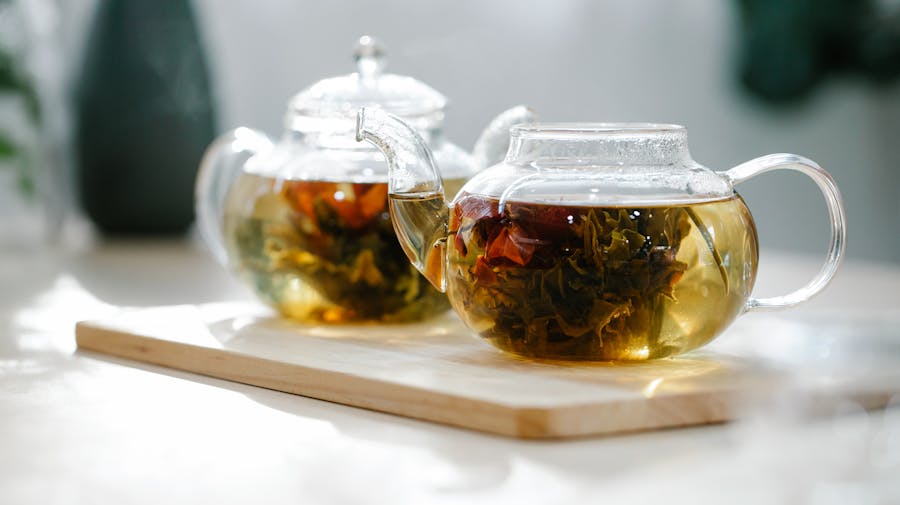
Herbal Chai = Herbal base (rooibos, tulsi, chamomile, ashwagandha) + Chai spices (cardamom, cinnamon, ginger, cloves, pepper) + Milk (optional) + Sweetener (optional). Zero caffeine. All flavor. Rs 5-12 per cup homemade.
Key Takeaways
100% Caffeine-Free
Uses herbal bases that never contained caffeine. Safe for evening drinking, pregnancy (consult doctor), and caffeine-sensitive individuals.
Rs 5-12 Per Cup Homemade
Whole spices cost Rs 2-4, herbal base Rs 3-5, milk Rs 3-5 per cup. Cheaper than any cafe and healthier than packaged options.
INR 2,184 Crore Market (2025)
India's herbal tea market is growing at 12.58% CAGR, projected to reach INR 6,345 Crore by 2034 (IMARC).
Every State Has Its Own Version
From tulsi-heavy herbal chai in Uttar Pradesh to lemongrass-infused herbal chai in Kerala — India's regional diversity shapes every cup.
17 Minutes, Start to Cup
A saucepan, water, whole spices, and an herbal tea base. No special equipment needed.
Herbal Chai at a Glance
| What it is | Caffeine-free spiced tea using herbal bases + chai spices |
| Caffeine | 0mg (zero) |
| Calories | 5-10 cal unsweetened, 40-60 cal with milk and honey |
| Cost (India) | Rs 5-12 homemade / Rs 80-250 at cafes |
| Cost (US) | $0.25-$0.60 homemade / $4-7 at cafes |
| Prep time | 17 minutes (5 prep + 12 cook) |
| Common bases | Rooibos, tulsi, chamomile, ashwagandha, dandelion root |
| Core spices | Cardamom, cinnamon, ginger, cloves, black pepper |
| Best time | Any time — including before bed |
| India market | INR 2,184 Crore (2025), 12.58% CAGR to 2034 |
Herbal Chai Cost Breakdown: What Each Cup Actually Costs
One of the most common searches around herbal chai is cost. Whether you are making herbal chai at home in Hyderabad or buying it at a specialty cafe in Delhi, here is the real price breakdown — ingredient by ingredient.
Homemade Herbal Chai — Cost Per Cup (India)
Homemade Herbal Chai — Cost Per Cup (US / International)
For comparison: a herbal chai latte at a specialty cafe in Delhi costs Rs 150-250. At Starbucks in Mumbai, a chai tea latte (not even herbal) runs Rs 250-350. Making herbal chai at home saves you 90-95% versus cafe prices, and you control every ingredient. Source for India tea cost calculations: Quora production cost thread and our own market research.
Herbal Chai vs. Regular Chai: The Straight Answer
| Feature | Regular Masala Chai | Herbal Chai |
|---|---|---|
| Base | Black tea (CTC/Assam) | Rooibos, tulsi, chamomile, ashwagandha |
| Caffeine | 40-70mg per cup | 0mg |
| Cost (homemade India) | Rs 3-8/cup | Rs 5-12/cup |
| Tannins | Moderate to high | Very low |
| Best time | Morning / Afternoon | Any time, including before bed |
| Pregnancy safe* | Limited (caffeine) | Generally yes (avoid licorice root) |
| Flavor | Bold, malty, astringent | Smooth, naturally sweet, earthy |
*Always consult your healthcare provider regarding herbal teas during pregnancy.
Health Benefits of Herbal Chai (What Research Actually Says)
Most herbal chai articles cite vague claims with no sources. Here is what peer-reviewed research and credible health institutions say about the specific ingredients found in herbal chai.
Anti-Inflammatory — Ginger + Cinnamon
Ginger contains gingerols and shogaols with documented anti-inflammatory effects. A meta-analysis in PMC found consistent evidence that ginger reduces markers of systemic inflammation. Cinnamon (particularly Ceylon) shows similar properties. Both are core herbal chai spices.
Digestive Support — Cardamom + Ginger
Cardamom stimulates bile flow and reduces GI spasms. WebMD notes that ginger and cardamom in chai "soothes the stomach, aids digestion, and alleviates bloating." This is why herbal chai is traditionally served after heavy meals across India.
Antioxidant Load — Cloves + Rooibos
Cloves rank among the highest ORAC-value spices measured. Rooibos contains aspalathin and nothofagin — unique antioxidants not found in Camellia sinensis. This combination is unique to herbal chai.
Blood Sugar Regulation — Cinnamon
Research cited by Harvard T.H. Chan School suggests cinnamon may improve insulin sensitivity. Unsweetened herbal chai with cinnamon delivers this benefit without added sugar.
Stress Relief + Sleep — Tulsi + Chamomile + Ashwagandha
Tulsi and ashwagandha are classified as adaptogens — they modulate cortisol response. Chamomile's apigenin binds to brain receptors producing mild sedation. These herbal chai bases turn your evening cup into a functional sleep aid. Tea Forte confirms caffeine-free herbal teas show "a positive effect on overall health."
Immunity Support — Tulsi + Ginger + Black Pepper
This is the combination that drove herbal chai demand during 2020-2021 across India. Tulsi has documented immunomodulatory properties. Black pepper contains piperine, which enhances the bioavailability of other compounds by up to 2,000%. This is why traditional herbal chai always includes pepper — it makes every other ingredient work harder.
"Tea consumption has been shown to be useful for prevention of many debilitating human diseases, including maintenance of cardiovascular and metabolic health."
— PMC: Tea and Health — Studies in Humans
Disclaimer: These benefits are based on bioactive properties of individual ingredients in peer-reviewed research. Herbal chai is not a medical treatment. The benefit comes from consistent daily consumption over time. Always consult a healthcare provider for personal health decisions.
Herbal Chai Across India: State-by-State Guide
India is the world's second-largest tea producer — 1,366 million kg in 2023 according to the IBEF. But beyond production stats, each state has developed its own relationship with herbal chai, shaped by local botanicals, Ayurvedic traditions, and climate. Here is how herbal chai culture varies across India's major states.
Herbal Chai in Andhra Pradesh
The Ayurvedic heritage of Andhra Pradesh makes tulsi-based herbal chai a natural fit. In Visakhapatnam and Hyderabad, you'll find herbal chai stalls using locally grown tulsi combined with ginger-heavy spice blends. The state's warm climate means iced herbal chai is increasingly popular, especially from May through September. Brands like Vahdam Teas and Organic India are widely stocked across AP supermarkets.
Herbal Chai in Telangana
Hyderabad's cafe culture has embraced herbal chai aggressively since 2019. Specialty cafes like Chai Chowk and Tea Villa serve ashwagandha and turmeric herbal chai variations. The Irani chai tradition is strong here, but younger Hyderabadis are turning to herbal alternatives for evening consumption.
Herbal Chai in Delhi
Delhi's pollution and fast-paced lifestyle have driven massive demand for immunity-focused herbal chai since 2020. Old Delhi's traditional doodh patti culture coexists with Hauz Khas and Khan Market's wellness-oriented herbal chai cafes. Delhi is the #1 metro market for premium herbal chai brands in India, according to Indusfood research.
Herbal Chai in Kerala
Kerala is both a tea-growing state (60+ million kg production) and an Ayurveda heartland. Herbal chai here uses local spices from Idukki — cardamom, pepper, and cloves sourced directly from plantations. Lemongrass-based herbal chai is a Kerala specialty you won't find easily in North India. The Ayurvedic resort industry has made herbal chai in Kerala a tourism export.
Herbal Chai in Tamil Nadu
The Nilgiris and Coonoor are India's premier tea-growing regions in Tamil Nadu (163+ million kg production). While black tea dominates here, herbal chai is growing rapidly in Chennai's urban wellness market. Tamil Nadu's unique contribution is the use of sukku (dried ginger) and thippili (long pepper) in herbal chai — Siddha medicine influences that distinguish TN's herbal chai from North Indian versions.
Herbal Chai in Maharashtra
Mumbai's cutting chai culture is legendary, but the city's health-conscious demographic has created a parallel herbal chai market. Brands like Tea Trunk (Mumbai-based) offer premium herbal chai blends. Pune's IT corridor has seen a 3x increase in herbal chai cafe openings since 2021. Kokum-infused herbal chai is an emerging Maharashtra specialty.
Herbal Chai in Karnataka
Bengaluru is India's herbal chai startup hub. The city's tech-savvy population has driven brands like Vahdam, Chaayos (herbal range), and Blue Tokai to create dedicated herbal chai product lines. Coorg's coffee culture means herbal chai competes with coffee here more than with regular chai — the herbal chai in Karnataka is often positioned as a "coffee alternative" rather than a "chai alternative."
Herbal Chai in Rajasthan
Desert climate means Rajasthani herbal chai is built differently — heavier on warming spices, often using kesar (saffron) as a luxury addition. The royal heritage of Jaipur and Udaipur has created a tradition of elaborate herbal chai blends served to guests. Fennel and mulethi (licorice root) are common Rajasthani additions.
Herbal Chai in Gujarat
Gujarat's strong vegetarian and health-conscious culture makes it one of India's highest per-capita herbal tea markets. Masala doodh (spiced milk) tradition naturally evolved into herbal chai. Ahmedabad and Surat have thriving herbal chai markets, with local brands incorporating ajwain (carom seeds) for digestive benefits.
Herbal Chai in West Bengal
Kolkata — home of the Kolkata Chai Co — is where herbal chai meets adda culture. Darjeeling's tea gardens (303+ million kg production) are increasingly experimenting with herbal-base chai blends. West Bengal's contribution is the use of gondhoraj (aromatic lime) leaf in herbal chai — completely unique to this state.
Herbal Chai in Assam
Assam is India's largest tea producer (650+ million kg). The herbal chai movement here is fascinating because it runs counter to the state's black-tea identity. Guwahati's wellness scene has adopted tulsi and lemongrass herbal chai blends. Assam's unique wild herbs — masundari and manimuni — are being incorporated into regional herbal chai experiments.
Herbal Chai in Punjab
Punjab's robust chai culture (strong, sweet, milky) means herbal chai adoption is slower here than in southern states — but it's happening. Amritsar and Chandigarh's health-conscious segments are switching to herbal chai for evening cups. The Punjabi twist: herbal chai made with phulkari (rose petals) and heavy on elaichi (cardamom).
Herbal Chai in Uttar Pradesh
UP is the tulsi heartland — this state grows more holy basil than any other. Herbal chai in Uttar Pradesh defaults to tulsi base, often combined with mulethi (licorice) and ginger. Lucknow's nawabi tradition adds kewra (screwpine essence) to create what locals call "royal herbal chai." Varanasi's ghats serve herbal chai to Ayurvedic health tourists year-round.
Herbal Chai in Madhya Pradesh
The tribal belt of MP — Bastar, Mandla, Dindori — has centuries-old traditions of forest herb teas that are now being marketed as herbal chai. Local cooperatives are packaging giloy, neem, and moringa-based herbal chai for national distribution. Bhopal and Indore's café scenes have adopted these regional ingredients enthusiastically.
Herbal Chai in Himachal Pradesh & Uttarakhand
The Himalayan states offer altitude-grown herbs — buransh (rhododendron), tejpatta (Indian bay leaf), wild thyme — that create herbal chai blends found nowhere else in India. Dharamshala and Rishikesh's wellness tourism industry has made Himalayan herbal chai a premium export product.
Herbal Chai in Goa, Bihar, Odisha & Jharkhand
Goa's Portuguese-influenced culture adds coconut milk to herbal chai — creating a uniquely creamy, tropical version. Bihar and Jharkhand use sattu-adjacent flavors. Odisha's herbal chai often includes dalchini bark from local forests. Each state adds its terroir to the herbal chai tradition.
Herbal Chai Making: Year-by-Year Evolution (2014–2026)
Herbal chai didn't appear overnight. Its rise from niche Ayurvedic remedy to mainstream beverage is a story told year by year — driven by health trends, pandemic shifts, and India's evolving relationship with wellness. Here's how herbal chai making evolved across each year.
2014 — Herbal Chai Making Begins Its Quiet Rise
Herbal chai in 2014 was almost exclusively an Ayurvedic product. India's green tea production was 14.89 million kg (Coherent Market Insights). Organic India's Tulsi tea was the only widely available herbal chai in mainstream retail. Making herbal chai at home meant sourcing ingredients from Ayurvedic stores, not supermarkets.
2015 — Green Tea Boom Opens the Door
India's green tea production jumped to 19.19 million kg in 2015-16 — a 29% increase from 2014. This green tea awareness wave introduced Indian consumers to the concept of "tea beyond CTC." Herbal chai making in 2015 was still niche, but the audience was forming. Typhoo and Tetley launched their first herbal tea ranges in India.
2016 — The Wellness Wave Hits Indian Metros
Herbal chai making in 2016 got its first real commercial push. Vahdam Teas launched internationally, putting Indian herbal blends on the global map. Yoga and Ayurveda tourism brought international attention to tulsi chai. Home herbal chai recipes started appearing on Indian food blogs.
2017 — Cafe Chains Add Herbal Chai to Menus
Chaayos, Chai Point, and Tea Trails added dedicated herbal chai options. Herbal chai making in 2017 transitioned from "something your grandmother does" to "something served at a branded cafe." Instagram food culture accelerated adoption among urban millennials.
2018 — E-Commerce Makes Herbal Chai Accessible Everywhere
Amazon India and Flipkart became the primary distribution channels for herbal chai brands. Herbal chai making in 2018 meant you could order specialty rooibos, chamomile, and tulsi blends in Tier-2 and Tier-3 cities. Organic India crossed Rs 100 Crore revenue.
2019 — Premiumization and Single-Origin Herbal Chai
Herbal chai making in 2019 went premium. Brands started marketing single-origin spices (Idukki cardamom, Ceylon cinnamon) and terroir-specific herbal bases. Blue Lotus Chai entered the Indian market. The concept of "herbal chai as self-care" took root in wellness media.
2020 — The Pandemic Year: Herbal Chai Demand Explodes
COVID-19 transformed herbal chai from a lifestyle choice to a perceived necessity. Google Trends for "immunity tea" and "herbal chai" spiked 400%+ in India during March-June 2020. Kadha (traditional herbal decoction) recipes went viral — essentially herbal chai without the base tea. Herbal chai making in 2020 became a national activity. AYUSH Ministry recommended herbal infusions, legitimizing herbal chai in mainstream health discourse.
2021 — Post-Pandemic Habits Stick
The 2020 herbal chai converts didn't revert. Herbal chai making in 2021 became habitual for millions of Indian households. D2C (direct-to-consumer) herbal chai brands raised significant funding: Vahdam raised $14M, Tea Trunk expanded nationally. Subscription models launched — monthly herbal chai deliveries.
2022 — Functional Herbal Chai Goes Mainstream
Herbal chai making in 2022 moved beyond basic tulsi-ginger to functional formulations: ashwagandha chai for stress, moringa chai for protein, shatavari chai for women's health. The India herbal tea market crossed INR 1,500 Crore. International exports of Indian herbal chai grew 18%.
2023 — Ready-to-Drink Herbal Chai Arrives
Bottled and canned herbal chai hit Indian shelves. Herbal chai making in 2023 split into two tracks: home-brewing purists and convenience-seeking consumers. Quick-commerce platforms (Blinkit, Zepto) started delivering herbal chai ingredients in 10 minutes across metros.
2024 — The $3.9 Billion Market
Global herbal tea hit $3.9B (IMARC). India's contribution grew significantly. Herbal chai making in 2024 became a content category — YouTube and Instagram herbal chai recipe videos regularly hit millions of views. AI-powered personalized herbal chai blends launched from startups in Bengaluru.
2025 — INR 2,184 Crore and Accelerating
The India herbal tea market reached INR 2,184 Crore in 2025, growing at 12.58% CAGR (IMARC India report). Herbal chai making in 2025 is characterized by regional specialization — each state developing signature blends — and clinical validation, with Indian universities publishing research on specific herbal chai formulations.
2026 — Projected: INR 2,460+ Crore
Based on the 12.58% CAGR trajectory, herbal chai making in 2026 will see the India market cross INR 2,460 Crore. Projected trends: herbal chai subscription boxes as corporate wellness benefits, standardized Ayurvedic herbal chai certifications, and expansion of Indian herbal chai brands into Southeast Asian markets.
Market Data: Herbal Chai by the Numbers
India Herbal Tea Market Growth (INR Crore)
Global Herbal Tea Market Size (USD Billions)
Sources: IMARC Group, SkyQuest
Most Popular Herbal Chai Spices (% of top recipes)
Cost Per Cup Comparison: Homemade vs Cafe vs Branded
Best Herbal Chai Brands: India + International Reviews
Compiled from The Spruce Eats (2025), Sporked, Bon Appetit, Reddit r/tea, and direct user feedback.
India Brands
Organic India Tulsi Original
Best Tulsi-BasedIndia's most recognized herbal tea brand. Three types of tulsi (Rama, Krishna, Vana) blended for a complex, peppery, slightly minty herbal chai base. Widely available from kirana shops to BigBasket. Organic, non-GMO, Fair Trade. Excellent as a standalone or with added spices for a full herbal chai experience.
Type: Tea bags / Loose · Price: Rs 180-220/box of 25 (Rs 7-9/cup) · Available: Pan-India
Vahdam Teas Turmeric Spiced Herbal Chai
Best PremiumGarden-fresh from Himalayan estates. Vahdam ships directly, preserving freshness. Their turmeric herbal chai combines curcumin-rich turmeric with cardamom, cinnamon, and black pepper (piperine enhances curcumin absorption by 2,000%). Loved across 145 countries.
Type: Loose leaf / Bags · Price: Rs 350-500/tin (Rs 12-18/cup) · Available: Online + select metros
24 Mantra Organic Tulsi Ginger
Best Organic ValueNo-frills organic herbal chai at an accessible price. Ginger-forward with tulsi backing. Available at most organic stores across Andhra Pradesh, Telangana, and Karnataka. Good base for adding your own spice blend.
Type: Tea bags · Price: Rs 120-150/box of 25 (Rs 5-6/cup) · Available: South India + online
Typhoo Refreshing Lemon Grass
Best BudgetThe most affordable branded herbal tea in Indian supermarkets. Lemongrass base is light and clean — add your own cardamom and ginger for a proper herbal chai. Not complex on its own, but excellent as an affordable herbal chai starting point.
Type: Tea bags · Price: Rs 90-120/box of 25 (Rs 4-5/cup) · Available: Pan-India
International Brands (Available in India)
Celestial Seasonings Bengal Spice
Best International ValueThe Redditor favourite. As one r/tea user wrote: "I have been a longstanding fan of Celestial Seasonings' Bengal Spice herbal chai tea. It's the closest I can find to the robust flavors of [regular chai]."
Type: Tea bags · Price: $4/box of 20 ($0.20/cup) · India: Amazon import
Blue Lotus Chai Traditional Masala
Best Powdered 2025Named Best Powdered Chai of 2025 by The Spruce Eats. Whisk into hot milk — no steeping. Get the rooibos version for caffeine-free.
Type: Powder · Price: $12/tin, 30 servings ($0.40/cup)
Pukka Three Cinnamon
Best OrganicThree types of organic cinnamon. Fair Trade, plastic-free bags. Refined and subtle — a sipping herbal chai, not a masala explosion. Avoid during pregnancy (contains licorice root).
Type: Tea bags · Price: $6/box of 20 ($0.30/cup)
Harney & Sons Hot Cinnamon Spice
Bon Appetit PickSelected by Bon Appetit editors. Dessert-in-a-cup — genuinely sweet with zero sugar. Perfect evening herbal chai for sweet cravings.
Type: Sachets · Price: $10/tin of 20 ($0.50/cup)
What Real People Say About Herbal Chai
"I have been a longstanding fan of Celestial Seasonings' Bengal Spice herbal chai tea. It's the closest I can find to the robust flavors of [regular chai] without the caffeine."
— r/tea, 2025
"Waghbakri for the Indian chai. I like The Indian Chai and Tea Trunk for all other teas. They both have a good collection of different blends."
— r/IndianFood, 2025
"Revival's chai is my favorite! It's so good!"
4 Herbal Chai Recipes (With Exact Costs)
Recipe 1: Classic Rooibos Herbal Chai
Prep: 5 min | Cook: 12 min | Serves: 2 | Cost: Rs 10-24 total (Rs 5-12/cup)
Ingredients
- 2 cups water
- 2 rooibos bags (Rs 6-10)
- 4 cardamom pods, crushed (Rs 3)
- 1 cinnamon stick (Rs 1.50)
- 1" ginger, sliced (Rs 1)
- 3 cloves (Rs 0.50)
- 3 peppercorns (Rs 0.20)
- 1 cup milk (Rs 6-10)
- Honey/jaggery (Rs 1-2)
Method
- 1. Boil water with all spices. Simmer 8-10 min.
- 2. Add rooibos, cover, steep 5 min.
- 3. Add milk, simmer 2 min.
- 4. Strain and sweeten. Serve hot.
Recipe 2: Sleepy Chamomile Chai
Prep: 3 min | Cook: 10 min | Serves: 2 | Cost: Rs 8-18 total
Use 3 chamomile bags instead of rooibos. Reduce spices by half (2 cardamom, 1/2 cinnamon, 2 cloves). Shorter simmer — 6 min for spices. Add warm milk and honey. Drink 30-45 min before bed. The chamomile should lead, with spices supporting.
Recipe 3: Tulsi Immunity Chai (Indian Style)
Prep: 3 min | Cook: 12 min | Serves: 2 | Cost: Rs 8-16 total
10-12 fresh tulsi leaves (free if you grow it — most Indian homes do) + 1" ginger + 4 peppercorns + 1/2 tsp turmeric + 2 cloves. Boil in 2.5 cups water for 10 min. Strain. Add honey and lemon juice. No milk needed. This is the kadha-style herbal chai that went viral during 2020 across India — from herbal chai stalls in Delhi to home kitchens in Tamil Nadu.
Recipe 4: Dandelion Root "Coffee Chai" (Caffeine-Free)
Prep: 3 min | Cook: 15 min | Serves: 2 | Cost: Rs 12-20 total / $0.40-0.60 USD
1 tbsp roasted dandelion root + 2 cardamom pods + 1/2 cinnamon stick + 2 cloves + 1" ginger. Simmer 12 min in 2 cups water. Add 1 cup oat milk, simmer 2 min. The dandelion root creates a dark, bitter, coffee-like base. Perfect for coffee drinkers transitioning to herbal chai — you get the depth and bitterness without caffeine.
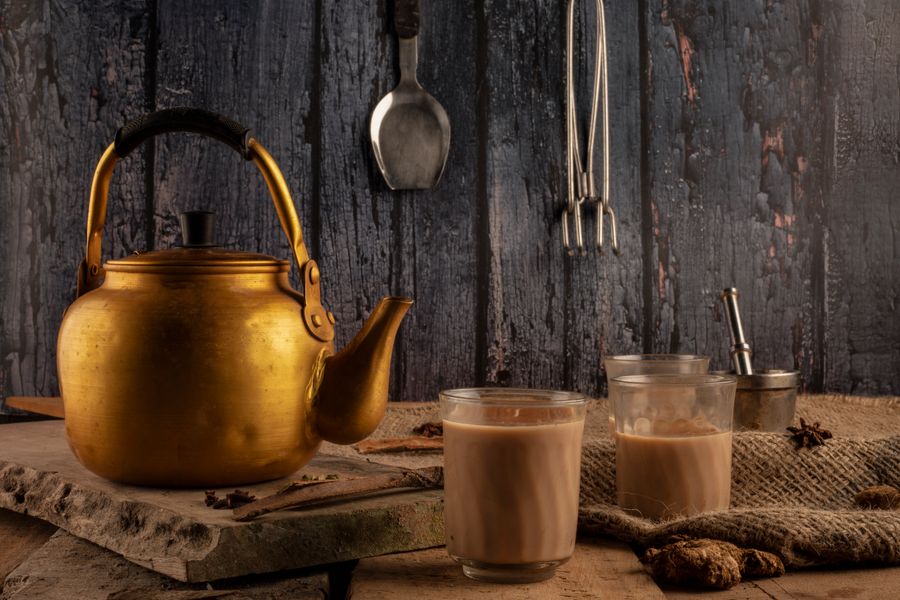
Brewing Guide: 6 Mistakes That Ruin Herbal Chai
Skipping the Spice Simmer
Spices need 8-10 min of active simmering to release essential oils. Just pouring boiling water over everything gives you weak, flat herbal chai.
Grinding Instead of Crushing
Lightly crack cardamom and peppercorns with a knife. Grinding creates gritty sediment and harsh, one-note flavor. Slow extraction from cracked spices is the goal.
Adding Milk Too Early
Milk coats spices in fat and prevents extraction. Simmer spices in water first, then add milk for the last 2 minutes only.
Using Old Spices
Whole spices lose potency after 12 months. Ground spices after 6 months. If there's no aroma when you crush them, replace them.
Wrong Milk Pairing
Oat milk = best froth. Coconut milk = creamiest. Whole dairy = traditional. Almond = thin, often watery. Choose based on your herbal chai style.
Boiling Instead of Simmering
A rolling boil destroys delicate herbal base flavors. Bring to boil once, then immediately reduce to gentle simmer. This preserves the rooibos/chamomile character.
How to Buy Herbal Chai Without Getting Fooled
1. Check for hidden caffeine. If "black tea" or "Camellia sinensis" appears on the label, it contains caffeine. Many "herbal chai" products quietly include black tea as the first ingredient.
2. Real spices vs "natural flavors." The ingredient list should say "cardamom, cinnamon, ginger" — not "natural flavors." "Natural flavors" tells you nothing.
3. Organic matters for daily drinkers. Herbs have high surface-area-to-volume ratios, concentrating pesticide residues. If you drink 2-3 cups daily, organic sourcing matters. Look for FSSAI organic, USDA Organic, or India Organic marks.
4. Loose leaf beats bags for flavor. Standard tea bags use "fannings" — fine dust with depleted essential oils. Pyramid sachets are better. Loose leaf is best. The trade-off is pure convenience vs taste.
5. Check sugar in instant mixes. If sugar appears before any spice on the label, you're buying a sweetened drink, not herbal chai. Read the nutrition panel.
6. Price check. Good herbal chai ingredients cost Rs 5-12/cup homemade. If a branded product costs more than Rs 15-20/cup, you're paying for packaging and marketing — not better herbs.
Frequently Asked Questions About Herbal Chai
What is herbal chai?
How much does herbal chai cost to make at home?
Is herbal chai popular in Andhra Pradesh and South India?
What are the health benefits of herbal chai?
How has herbal chai making changed from 2014 to 2025?
How has herbal chai making changed from 2014 to 2025?
Which Indian state drinks the most herbal chai?
Can I drink herbal chai every day?
Is herbal chai safe during pregnancy?
What is the difference between herbal chai and green tea?
What is the best herbal chai brand in India?
Sources & References
Research & Health:
- PMC — Tea and Health: Studies in Humans (Peer-reviewed meta-analysis)
- Harvard T.H. Chan School of Public Health — Tea
- WebMD — Chai Tea: Nutrition and Health Benefits
- Tea Forte — Health Benefits of Caffeine-Free Tea
Market Data:
- IMARC Group — India Herbal Tea Market Report 2034 (INR 2,184 Crore, 12.58% CAGR)
- IMARC Group — Global Herbal Tea Market Forecast 2033
- SkyQuest — Herbal Tea Market Insights 2033
- Coherent Market Insights — Herbal Tea Market Analysis
- Grand View Research — Global Tea Market 2030
- IBEF — India Tea Industry Overview
Reviews & Brands:
- The Spruce Eats — 13 Best Chai Teas of 2025
- Sporked — Best Chai Tea Bags, Ranked
- Bon Appetit — Best Herbal Teas
- Blue Lotus Chai — Best Powdered Chai of 2025
- Vahdam Teas — Official Site
- Indusfood — India's Tea Startups Brewing Wellness
Recipes:
- Kami McBride — Easiest Herbal Chai Recipe
- Northern Tea — Herbal Chai Recipes
- Kolkata Chai Co — Chai Making Guide
Community:
- r/tea — Good Herbal Chai Thread (2025)
- r/IndianFood — Tea Brand Recommendations (2025)
- Facebook Food Finder — Chai Recommendations
India Tea Data:
Related Guides
Rooibos Tea: Complete Guide
The herbal base behind the best caffeine-free chais
Authentic Masala Chai Recipe
The traditional version with black tea and spices
Chai vs Coffee: Which Is Better?
Data-driven comparison of caffeine, health, and cost
Best Teas for Sleep
Chamomile, tulsi, and herbal chai for better rest